
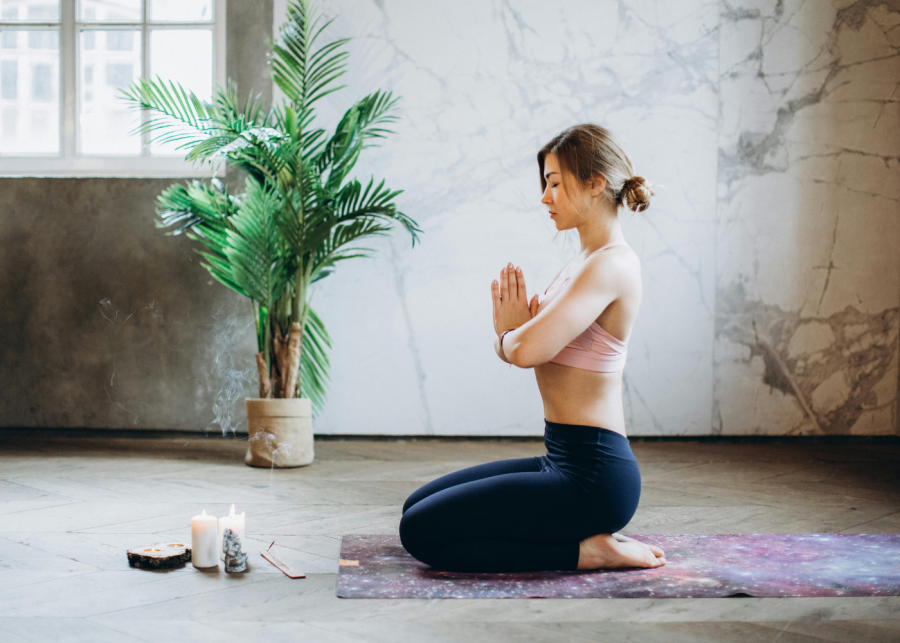
Relocating to a new country brings excitement, opportunity, and discovery. It also brings disruption. For expats and long-stay visitors in Singapore, daily routines often change overnight. Sleep schedules shift, food habits evolve, work expectations differ, and the body must adapt to a new climate and pace of life. These changes can quietly affect physical health and emotional stability if not managed consciously.
For many newcomers searching for a yoga studio near me, the goal goes far beyond exercise. It is about creating a sense of grounding, continuity, and wellbeing while adjusting to life in a new environment. This article explores how studio-based yoga helps expats and long-stay visitors stay balanced, healthy, and connected during their time in Singapore.
The Physical Impact of Relocation and Travel
Moving countries places unexpected stress on the body. Even when the transition is positive, physical systems must adapt quickly.
Common challenges include:
-
Changes in sleep and circadian rhythm
-
Increased walking or commuting
-
Long hours of sitting during relocation or remote work
-
Climate differences affecting hydration and energy
-
Carrying luggage and repetitive strain
These stressors often lead to muscle stiffness, fatigue, and reduced mobility within the first few months of arrival.
Emotional and Mental Adjustment in a New Environment
Beyond physical strain, relocation affects emotional wellbeing. Being away from familiar support systems can heighten stress responses.
Expats and long-stay visitors may experience:
-
Heightened anxiety during the settling period
-
Difficulty switching off mentally
-
Feelings of disconnection or restlessness
-
Increased reliance on screens or work for comfort
Without intentional grounding practices, these patterns can persist longer than expected.
Why Yoga Supports Relocation Stability
Yoga addresses both physical and mental aspects of adjustment. Studio-based practice provides structure during periods of change.
Key benefits include:
-
Predictable routines in unfamiliar surroundings
-
Gentle physical release after travel or long workdays
-
Nervous system regulation during periods of uncertainty
-
A sense of belonging through shared practice
These elements help the body and mind adapt more smoothly to a new lifestyle.
The Importance of Routine for Expats
Routine is one of the first things disrupted during relocation. Work schedules, meal times, and social habits often shift.
Yoga studios offer:
-
Fixed class schedules
-
Consistent environments
-
Familiar movement patterns
-
A regular anchor in the week
This structure supports stability when other aspects of life feel fluid.
Climate Adaptation and Body Awareness
Singapore’s tropical climate can take time to adjust to, especially for those arriving from cooler regions.
Yoga helps climate adaptation by:
-
Improving circulation
-
Encouraging hydration awareness
-
Supporting breath control in humid conditions
-
Reducing heat-related fatigue through mindful pacing
Studio environments provide controlled conditions that help newcomers ease into physical activity safely.
Injury Prevention During Travel and Exploration
Expats and visitors often increase physical activity through sightseeing, walking, and travel around the region. Without preparation, this can lead to strain.
Studio-based yoga supports injury prevention by:
-
Improving joint mobility and stability
-
Strengthening postural muscles
-
Enhancing balance and coordination
-
Teaching body awareness during movement
This allows individuals to explore Singapore comfortably without accumulating physical stress.
Managing Work Transitions and Time Zone Shifts
Many long-stay visitors work remotely or across multiple time zones. This can disrupt sleep patterns and energy levels.
Yoga helps by:
-
Regulating nervous system responses
-
Supporting smoother transitions between activity and rest
-
Improving sleep quality despite irregular schedules
-
Reducing tension caused by prolonged screen time
These benefits are particularly valuable during the early months of relocation.
Building Community Without Pressure
Social connection plays a vital role in wellbeing. However, building friendships in a new country can feel overwhelming.
Yoga studios offer a low-pressure social environment where:
-
Interaction happens naturally
-
No prior relationships are required
-
Shared experiences create connection
-
Participation does not demand constant engagement
This helps expats feel connected without social exhaustion.
Mental Grounding During Cultural Adjustment
Adapting to new cultural norms takes mental energy. Yoga provides a space where language, background, and status fade into the background.
Studio practice encourages:
-
Present-moment awareness
-
Reduced mental noise
-
Emotional regulation
-
Greater patience during adjustment periods
This mental grounding supports smoother cultural integration.
Maintaining Health During Extended Stays
Long-stay visitors often delay establishing health routines, assuming their stay is temporary. This can lead to accumulated stress over time.
Studio yoga supports long-term wellbeing by:
-
Encouraging consistent movement habits
-
Supporting posture and joint health
-
Reducing stress accumulation
-
Enhancing overall resilience
These benefits become increasingly important the longer one stays abroad.
Why Location Matters When Settling In
Convenience plays a major role in habit formation. A nearby studio reduces barriers during busy or uncertain periods.
Advantages include:
-
Easier integration into daily life
-
Reduced travel fatigue
-
Higher attendance consistency
-
Lower mental resistance to practice
This is especially helpful when adapting to a new city layout and transport system.
Yoga as a Lifestyle Anchor Abroad
Yoga becomes more than exercise for many expats. It acts as a familiar anchor in an unfamiliar place.
Benefits include:
-
A sense of continuity across locations
-
Emotional stability during change
-
Improved self-awareness
-
Greater enjoyment of the relocation experience
As expats explore wellness options in Singapore, they may encounter Yoga Edition, where thoughtfully structured classes and welcoming environments support both newcomers and long-term residents seeking balance and routine.
Integrating Yoga Into Life Away From Home
Yoga fits naturally into the lifestyle of expats and visitors because it adapts to different schedules and needs.
Whether balancing work transitions, travel plans, or cultural adjustment, studio-based practice offers steady support without added pressure.
FAQs
Q: Is yoga suitable for people adjusting to a new country?
A: Yes. Yoga supports both physical adaptation and emotional grounding, making it ideal during relocation periods.
Q: Can yoga help with travel fatigue and jet lag?
A: Gentle studio practice can support circulation, regulate breathing, and encourage better sleep during time zone adjustment.
Q: Do I need prior yoga experience to join a studio abroad?
A: No. Studio classes typically offer guidance and modifications suitable for various experience levels.
Q: How often should expats practise yoga while living in Singapore?
A: Two to three sessions per week is often effective for maintaining balance and managing stress.
Q: Can yoga help with homesickness or emotional adjustment?
A: While not a replacement for social support, yoga can help regulate emotions and create a sense of familiarity and calm.
Q: Is studio yoga better than hotel workouts during long stays?
A: Studio yoga offers structure, guidance, and community that temporary workouts often lack, making it more effective for long-term wellbeing.
