
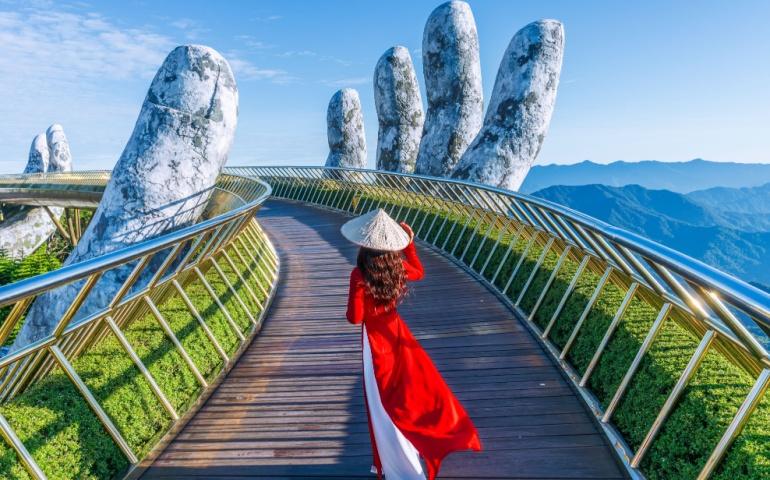
Taking your first international trip is a significant milestone. It is a transition from the familiar to the unknown, offering a chance to test your adaptability and broaden your perspective. However, the perceived high cost and logistical complexity often act as barriers for many aspiring explorers. The good news is that international travel does not have to be an expensive or overwhelming endeavor. By selecting destinations that offer a high value for the dollar, robust tourism infrastructure, and welcoming cultures, first-time travelers can enjoy a world-class experience without exhausting their savings.
Vietnam: A Masterclass in High-Value Travel
Vietnam has rapidly ascended to the top of budget-friendly travel lists, and for good reason. It offers an incredible density of experiences—from the chaotic energy of Hanoi to the serene limestone pillars of Ha Long Bay—at a fraction of the cost of Western destinations.
-
Exceptional Culinary Value: Vietnam’s street food culture is world-renowned. You can enjoy a bowl of authentic pho or a fresh banh mi sandwich for just a few dollars. Even mid-range dining at established restaurants remains remarkably affordable.
-
Affordable Luxury: For first-time travelers who want comfort, Vietnam provides 4-star and 5-star accommodations at prices comparable to budget motels in the United States. This allows newcomers to enjoy a sense of security and luxury while staying within a modest budget.
-
Diverse Landscapes: The country is geographically diverse. You can explore the lush rice terraces of Sapa in the north, the historic charm of Hoi An in the center, and the bustling delta regions in the south, all while utilizing an efficient network of low-cost domestic flights and sleeper buses.
Thailand: The Gold Standard for Beginners
If there is a “starter” destination for international travel, it is Thailand. The country has spent decades perfecting its tourism infrastructure, making it incredibly easy for first-timers to navigate. While it is more popular than ever, it remains one of the most budget-friendly places on earth.
-
The Energy of Bangkok: Bangkok is a city of contrasts where golden temples sit adjacent to neon-lit skyscrapers. It serves as a perfect hub for travelers, offering everything from ultra-cheap hostels to reasonably priced high-rise hotels.
-
Island Life on a Budget: While some islands have become expensive, many like Koh Tao or the quieter parts of Phuket still offer affordable beachfront bungalows. Transportation between islands is streamlined with ferry services that are easy to book.
-
Cultural Accessibility: The Thai people are famously hospitable. The prevalence of English in tourist areas and the ease of using local transportation like the Skytrain or tuk-tuks reduce the stress often associated with a first trip abroad.
Mexico: Vibrant Culture Within Reach
For North American travelers, Mexico is often the most logical choice for a first international foray. Beyond the well-known resort zones lies a country rich in history, colonial architecture, and some of the best food in the world.
-
The Charm of Oaxaca and Mexico City: These cities are cultural powerhouses. Mexico City offers world-class museums and parks, many of which are free or have very low entry fees. Oaxaca is a haven for those interested in indigenous traditions and complex mole dishes.
-
Proximity and Flight Deals: Because of its proximity to the U.S., flights to Mexico are frequently on sale. Choosing to stay in “Pueblos Magicos” (Magic Towns) instead of high-traffic beach resorts can cut your accommodation costs in half.
-
Historical Wealth: Visiting ancient ruins like Teotihuacan or the Mayan sites in the Yucatan is surprisingly affordable. These sites provide a deep sense of historical wonder without the price tag of European landmarks.
Albania: Europe’s Best-Kept Budget Secret
Many travelers assume Europe is off-limits for a budget trip, but the Balkan nation of Albania is challenging that notion. Offering Mediterranean beauty similar to Greece or Italy at a fraction of the price, Albania is perfect for the traveler who wants a European experience without the crowds.
-
The Albanian Riviera: The southern coastline features crystal-clear turquoise waters and white pebble beaches. In towns like Saranda or Ksamil, you can enjoy seaside dining and comfortable lodging for a third of what you would pay in the neighboring Mediterranean countries.
-
Rugged Mountains and Ottoman Towns: The interior of the country is home to the Albanian Alps and historic towns like Berat and Gjirokastër. These UNESCO World Heritage sites offer stunning architecture and a glimpse into a time-warped Europe.
-
Low Cost of Living: Your daily budget goes much further here. A hearty local meal and a glass of wine can often be found for less than ten dollars, and local transportation via “furgons” (minibuses) is an adventurous and inexpensive way to see the country.
Nepal: Spiritual Grandeur for the Nature Lover
For those who prioritize nature and spiritual growth, Nepal is an unbeatable destination. While it is famous for high-altitude trekking, it also offers beautiful lakeside towns and rich cultural heritage in its urban centers.
-
Affordable Trekking: While Everest is for the experienced, treks like the Annapurna Circuit or shorter hikes from Pokhara are accessible and budget-friendly. Staying in “teahouses” along the trail is an inexpensive way to experience the Himalayas.
-
The Pokhara Retreat: Pokhara is a peaceful alternative to the busy streets of Kathmandu. It is a town built around a lake, offering stunning views of the Annapurna range. It is a favorite for budget travelers looking to relax after a trek.
-
Cultural Immersion in Kathmandu: The capital city is a maze of temples, stupas, and markets. Exploring the ancient Durbar Squares is a low-cost activity that provides immense cultural insight.
Practical Strategies for First-Time Budgeting
Success in budget travel is not just about the destination; it is about the strategy. First-time travelers should consider these practical habits to keep their costs low while maximizing their experience.
-
Eat Locally: Avoid restaurants with English-only menus in main squares. Follow the locals; if a place is crowded with residents, the food is likely better and significantly cheaper.
-
Use Public Transit: Taxis and private transfers are convenient but expensive. Learning to use the metro in a city like Kuala Lumpur or a bus in Tirana is a rewarding challenge that saves money.
-
Slow Down: One of the biggest expenses in travel is moving from place to place. By spending more time in one or two locations rather than rushing across five cities, you save on transportation and often get a better “weekly” rate for your accommodation.
Conclusion
International travel is more accessible today than at any point in history. Whether you choose the tropical beaches of Southeast Asia, the historic streets of Mexico, or the rugged mountains of the Balkans, the world is full of destinations that welcome first-time travelers with open arms and affordable prices. By focusing on value rather than just the lowest price, you can ensure that your first trip abroad is not only a financial success but a deeply meaningful life experience.
Frequently Asked Questions
How much should I realistically budget per day for a trip to Southeast Asia?
In countries like Vietnam or Thailand, a budget traveler can live comfortably on $30 to $50 per day. This covers a bed in a clean hostel or a simple private guesthouse, three local meals, water, and some entrance fees or local transport. If you want a more mid-range experience with nicer hotels and sit-down restaurants, $70 to $100 per day is more than sufficient.
Is it safe for a first-time traveler to go to these budget destinations alone?
Yes, countries like Thailand, Vietnam, and Albania are generally very safe for solo travelers. They have established tourist paths and helpful locals. However, first-timers should always exercise standard precautions: keep your valuables secure, avoid poorly lit areas at night, and always let someone back home know your itinerary.
How do I handle money and currency exchange without getting ripped off?
The best way to handle money is to use a bank card that doesn’t charge foreign transaction fees. Withdraw local currency from official bank ATMs rather than using airport exchange kiosks, which often have poor rates. Always choose to be “charged in local currency” if a card machine asks you to choose between your home currency and the local one.
Do I need to learn the local language to travel in these countries?
While you don’t need to be fluent, learning basic phrases like “Hello,” “Thank you,” and “How much?” is highly recommended. In tourist-friendly spots in Thailand and Mexico, English is widely spoken. In more remote areas of Albania or Nepal, communication might involve more gestures and translation apps, but that is part of the adventure.
What is the best way to find cheap international flights?
Use flight aggregators and set up price alerts several months in advance. Being flexible with your dates—even by a day or two—can save you hundreds of dollars. Additionally, look for flights into major hubs (like Bangkok or Mexico City) and then take local low-cost carriers to your final destination.
Is travel insurance necessary for a budget trip?
Yes, travel insurance is non-negotiable, especially for first-time travelers. A small upfront cost of $50 to $100 can save you thousands in the event of a medical emergency, a stolen bag, or a cancelled flight. It is the one area where you should never try to “save” money.
Are these budget destinations crowded with tourists?
Destinations like Bangkok or the Mexican coast can be crowded during peak seasons (December to February). To avoid the crowds while still saving money, consider traveling during the “shoulder season”—the period just before or after the peak. You will enjoy better prices, fewer people, and often still very pleasant weather.
