
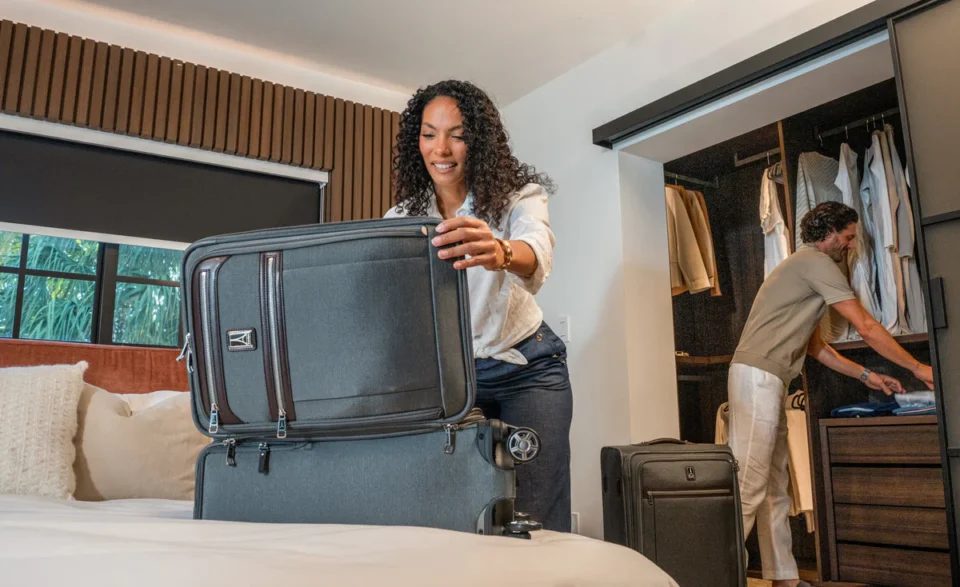
Packing is often the most stressful part of preparing for a trip. Whether you are heading out for a weekend getaway or a month-long international expedition, the way you organize your luggage directly impacts your physical comfort and mental peace. Overpacking leads to heavy bags, disorganized hotel rooms, and unnecessary stress at airport check-in counters. Conversely, underpacking can leave you unprepared for shifting weather or formal occasions. The goal of smart packing is to achieve a balance where you have exactly what you need without a single ounce of wasted space.
Efficient packing is an art that combines strategy, high-quality gear, and a minimalist mindset. By focusing on versatility and organization, you can transform your travel experience from a cumbersome ordeal into a seamless journey. This guide explores the most effective techniques to help you pack smarter, stay comfortable, and move through the world with ease.
Choose the Right Luggage for Your Style
Before you even open your closet, you must evaluate your luggage. The bag you choose serves as the foundation for your packing strategy. For most travelers, a carry-on sized suitcase or a dedicated travel backpack is the gold standard. Moving exclusively with a carry-on eliminates the risk of lost luggage, saves time at the baggage carousel, and forces you to be more intentional about what you bring.
If you prefer a suitcase, look for one with multidirectional spinner wheels and a hard shell for protection. If you are headed to a destination with cobblestone streets or many stairs, a high-quality travel backpack with padded hip belts is often a superior choice. Regardless of the style, ensure the bag itself is lightweight. Every pound the bag weighs is a pound of clothing you cannot carry.
Master the Art of the Capsule Wardrobe
The secret to packing light without looking like you are wearing the same outfit every day is the capsule wardrobe. This concept involves selecting a small number of clothing items that all coordinate with one another. When every top matches every bottom, you can create dozens of outfits from just a handful of pieces.
Stick to a neutral color palette such as black, navy, grey, or beige, and add one or two accent colors for variety. Focus on fabrics that are breathable, moisture-wicking, and wrinkle-resistant. Synthetic blends or merino wool are excellent for travel because they dry quickly and do not retain odors as easily as cotton.
-
The Rule of Three: Pack three tops for every one bottom. Since pants and skirts can usually be worn multiple times before needing a wash, this ratio keeps your bag light.
-
Layering is Key: Instead of packing one heavy coat, pack several light layers. A base layer, a light sweater, and a windbreaker provide more versatility than a single bulky item.
-
Wear Your Heaviest Items: On travel days, wear your bulkiest shoes and your heaviest jacket. This frees up significant space in your luggage for lighter items.
Utilize Compression and Organization Tools
Modern packing tools have revolutionized the way we fill our bags. If you are still tossing loose clothes into a suitcase, you are missing out on valuable space and organization.
Packing cubes are perhaps the most important investment a traveler can make. These small fabric containers allow you to categorize your clothing—such as one cube for shirts, one for undergarments, and another for gym wear. This prevents your bag from becoming a jumbled mess and makes it easy to find exactly what you need without unpacking everything.
-
Rolling vs. Folding: Rolling clothes instead of folding them is generally more space-efficient and helps prevent deep wrinkles. For even better results, roll your clothes and then place them inside packing cubes.
-
Compression Bags: If you are traveling to a cold climate and must bring bulky sweaters or a puffer jacket, use vacuum-sealed or manual roll-up compression bags. These remove the air from the fabric, shrinking the volume of your clothes by up to fifty percent.
-
Shoe Bags: Never let the soles of your shoes touch your clean clothes. Use dedicated shoe bags or even a simple plastic bag to keep grime contained.
Streamline Your Toiletry Kit
Toiletries often take up a disproportionate amount of space and add significant weight to a bag. To pack smarter, you must rethink your grooming routine. Many travelers make the mistake of bringing full-sized bottles of shampoo or lotion, which is unnecessary for most trips.
Transitioning to solid toiletries is a game-changer. Solid shampoo bars, conditioner bars, and even solid toothpaste tabs eliminate the risk of leaks and help you breeze through airport security since they are not subject to liquid restrictions. If you must bring liquids, use high-quality silicone travel bottles that are reusable and easy to squeeze.
-
Multi-use Products: Look for items that serve more than one purpose, such as a moisturizer with SPF or a soap bar that works for both hair and body.
-
The Hotel Supply: Remember that most hotels and rentals provide basic necessities. Unless you have a specific medical need or a preference for a particular brand, leave the hair dryer, basic soap, and towels at home.
Organize Your Tech and Essentials
In the digital age, managing cables, chargers, and gadgets is a major part of packing. Tangled cords at the bottom of a bag are a recipe for frustration. Use a dedicated electronics organizer or a small pouch to keep all your tech in one place.
-
Universal Power Adapter: Instead of carrying multiple adapters for different countries, invest in one high-quality universal adapter that includes multiple USB ports.
-
Power Bank: A portable battery is essential for long travel days, especially if you rely on your phone for navigation and boarding passes.
-
Minimalist Documents: While many things are digital now, it is wise to keep physical copies of your passport and insurance in a slim, RFID-blocking neck wallet or a designated pocket in your bag.
Maximizing Every Inch of Space
Smart packing involves looking for “dead space” within your luggage. The interior of your shoes is a prime example. You can stuff socks, rolled-up belts, or even fragile items inside your shoes to protect them and save room elsewhere.
Additionally, pay attention to the corners of your suitcase. These often go unused but are perfect for small items like charging bricks or rolled-up scarves. When you finish packing, your bag should feel solid and balanced, with the heaviest items placed near the wheels to keep the suitcase stable while you are walking.
Comfort Items for the Journey
Finally, do not forget the items that make the actual act of traveling more comfortable. While the goal is to pack light, a few small comforts can make a twelve-hour flight or a long train ride much more bearable.
A lightweight pashmina or an oversized scarf can double as a blanket or a pillow. Noise-canceling headphones are invaluable for blocking out engine noise or crying babies. A reusable water bottle—empty until you pass security—ensures you stay hydrated without paying inflated airport prices. By prioritizing these small but high-impact items, you ensure that your journey is just as pleasant as the destination.
Frequently Asked Questions
How do I decide what to leave behind if my bag is too full?
Use the “one-week” rule. Even if you are traveling for a month, pack only enough clothes for one week and plan to do laundry. If you find yourself debating over an item you might only use once, leave it behind. Most things can be purchased at your destination if an emergency arises.
What is the best way to pack jewelry without it tangling?
Avoid large jewelry boxes. Instead, thread necklaces through a drinking straw to keep them from knotting or use a dedicated jewelry roll. For small earrings, you can use the holes in a large button to keep pairs together before placing them in a small pouch.
Should I pack a dedicated first-aid kit?
You do not need a massive kit, but a small “comfort kit” is wise. Include a few Band-Aids, pain relievers, antihistamines, and any personal prescriptions. It is much easier to reach into your bag for an aspirin than it is to find a pharmacy in a foreign city late at night.
How can I keep my clean clothes smelling fresh during a long trip?
Place a single dryer sheet or a small lavender sachet inside your packing cubes. This prevents the “musty suitcase” smell that often develops after a few days of travel. Additionally, always keep a separate bag for dirty laundry to prevent odors from transferring to your clean items.
What is the most common packing mistake people make?
The most common mistake is packing for “what if” scenarios. People often pack for a fancy dinner that never happens or a rainstorm that never comes. Instead, pack for the reality of your itinerary. If you do not have a specific plan for an item, it should not be in your bag.
How do I handle bulky souvenirs when I only have a carry-on?
If you plan on shopping, pack a lightweight, foldable duffel bag at the bottom of your suitcase. On the way home, you can fill the duffel with your clothes and check it, while using your carry-on suitcase to protect your fragile souvenirs.
Is it better to pack by outfit or by clothing type?
Packing by clothing type in cubes is generally more organized. However, if you have a very short trip with specific events, packing by outfit can save time. For longer trips, the capsule wardrobe method organized by category offers much more flexibility.
