
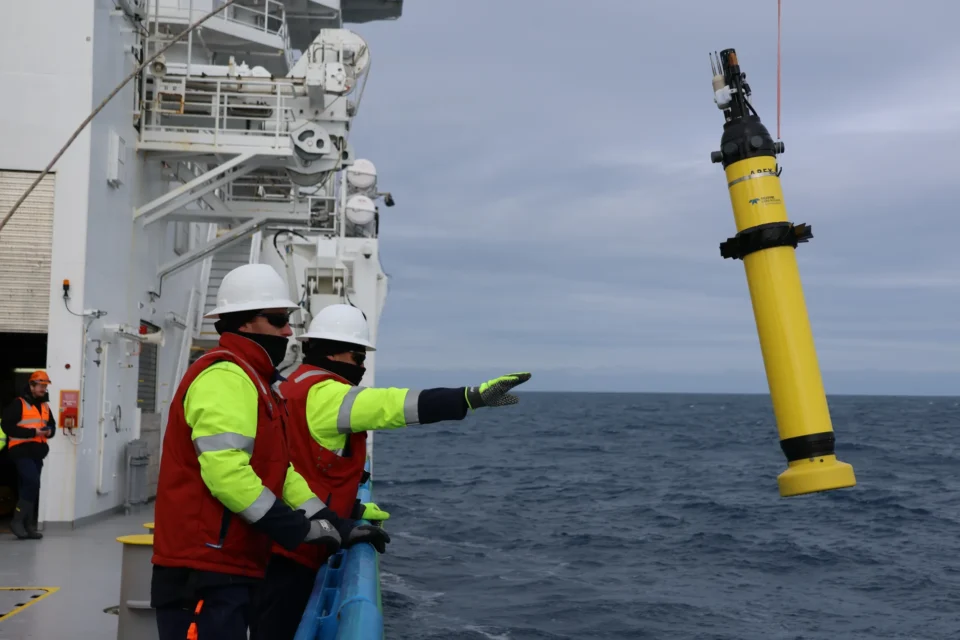
The vast, icy expanse of Antarctica, a continent of unparalleled beauty and scientific significance, is also one of the most remote places on Earth. Far from the bustling cities and ubiquitous internet access, researchers brave extreme conditions to unlock the planet’s secrets. But how do these dedicated scientists, often stationed thousands of miles from civilization, stay connected with the outside world, their families, and the critical flow of information that drives their work? The answer lies in a remarkable blend of ingenuity, cutting-edge technology, and a deep understanding of the unique challenges posed by the polar environment.
The Digital Lifeline: Overcoming Extreme Isolation
For decades, communication in Antarctica was a laborious affair, relying on high-frequency radio and sporadic satellite phone calls. Today, while still challenging, the digital landscape has vastly improved, offering researchers unprecedented access to information and keeping them abreast of the latest antarctic news.
Satellite Internet: The Primary Conduit
The backbone of modern Antarctic communication is satellite internet. Unlike terrestrial networks, satellites can provide coverage to even the most remote corners of the globe. However, the sheer distance, extreme weather, and limited bandwidth present significant hurdles. Stations typically rely on geostationary satellites, which orbit the Earth at a fixed point above the equator. The farther south a station is located, the lower the satellite appears on the horizon, increasing the signal path and susceptibility to atmospheric interference.
Despite these challenges, advancements in satellite technology, including higher-throughput satellites and improved ground station equipment, have dramatically enhanced connectivity. Researchers can now participate in video conferences, send and receive emails, and access scientific databases. While speeds may not rival home broadband, they are sufficient for critical operational needs and maintaining vital human connections. This digital lifeline is crucial for disseminating important antarctic news and research findings rapidly.
Specialized Communication Systems
Beyond standard satellite internet, specialized communication systems are deployed to meet specific research and operational needs. These include:
- Iridium and Inmarsat: These satellite phone networks provide global coverage, essential for field teams operating far from base stations. They offer reliable voice and low-bandwidth data communication, critical for emergencies and routine check-ins.
- High-Frequency (HF) Radio: Though seemingly old-fashioned, HF radio remains a vital backup and a primary means of communication for certain operations. Its ability to transmit over long distances without relying on satellites makes it invaluable in case of system failures or in areas with limited satellite visibility.
- Dedicated Research Networks: Some larger stations maintain dedicated research networks that allow for the transfer of large datasets, such as climate model outputs or sensor readings, directly to collaborating institutions worldwide. This ensures that the continuous flow of antarctic news related to scientific discovery remains uninterrupted.
The Human Element: Beyond Technology
While technology forms the framework, the human element is equally crucial in fostering connection in such an isolated environment. The psychological impact of prolonged isolation is well-documented, and strategies are in place to mitigate its effects.
Fostering Community and Support
Station life is often characterized by a strong sense of community. Researchers, support staff, and technicians live and work in close quarters, forming tight-knit bonds. Regular social events, shared meals, and recreational activities are actively encouraged to build morale and provide emotional support. This communal spirit is a powerful antidote to the feeling of being cut off from the rest of the world.
Scheduled Communication Windows
To manage limited bandwidth and ensure fair access, many stations implement scheduled communication windows for personal use. This allows individuals to connect with family and friends at designated times, providing a sense of routine and anticipation. While instant messaging and social media are available, their use is often moderated to conserve bandwidth for critical scientific and operational needs.
The Role of Information Sharing
Staying informed about global events and antarctic news is vital for maintaining a sense of normalcy and engagement with the broader world. Stations often have dedicated areas for news updates, whether through printed newspapers flown in periodically, digital news feeds, or even curated summaries shared by station leaders. This ensures that even in the most remote locations, researchers are not entirely disconnected from the unfolding narrative of human events.
Insights for Remote Work and Exploration
The challenges faced by Antarctic scientists offer valuable insights for anyone navigating remote work or exploration in isolated environments.
- Prioritize Robust Communication Infrastructure: Invest in reliable, redundant communication systems. Having backup options is crucial when primary systems fail.
- Manage Expectations for Bandwidth: Understand that high-speed internet may not always be available. Optimize workflows for low-bandwidth environments.
- Cultivate Strong Team Dynamics: Foster a supportive and collaborative environment. Human connection is paramount in mitigating the psychological effects of isolation.
- Establish Communication Routines: Implement scheduled communication times for personal and professional interactions to provide structure and anticipation.
- Stay Informed: Make an effort to stay updated on critical information, whether it’s global news or specific industry developments.
Conclusion
The ability of scientists to stay connected in Antarctica is a testament to human ingenuity and resilience. From advanced satellite technology to the fundamental importance of community, every effort is made to bridge the vast distances that separate these dedicated researchers from the rest of the world. Their ability to share their discoveries, collaborate with peers, and maintain personal connections is not just a convenience; it’s essential for the progress of science and the well-being of those who brave the planet’s most extreme environment. As technology continues to evolve, we can expect even more seamless integration, further enhancing the vital flow of information and antarctic news from this extraordinary continent to the global scientific community.
About the Author:
The author is a seasoned science communicator with a passion for exploring the intersection of technology and extreme environments. With years of experience researching and writing about scientific expeditions and remote operations, they aim to shed light on the incredible logistics and human stories behind groundbreaking discoveries. Their work often focuses on how innovation enables individuals to thrive in challenging conditions, bringing critical insights from the world’s most isolated places to a broader audience.
